Creating a Functional Office When Space Is Limited
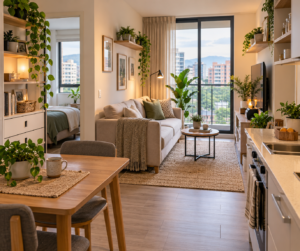
A compact home office is one of the smartest ways to create a productive workspace when you live in a small apartment. With careful planning, even a narrow corner can become an organized and comfortable place to work. A compact home office can completely change the way you use a small apartment. You do not need an extra bedroom or a large dedicated office to create a comfortable and productive workspace. With the right desk, smart storage, good lighting, and careful organization, even a small corner of your living room or bedroom can become a practical place to work.
The first step is choosing the right location. Look around your apartment for areas that are currently underused. A corner beside a window, an empty wall in the bedroom, the space behind a sofa, or even a narrow section of a hallway can sometimes provide enough room for a small desk. The goal is not to find a large area but to make better use of the space you already have.
Before buying a desk, measure the available area carefully. Consider not only the width of the desk but also the space required for your chair and enough room to move comfortably. In a small apartment, a desk that is too deep can quickly make the room feel crowded. A slim or compact desk can provide enough surface for a laptop, monitor, notebook, and a few essential accessories without taking over the room.
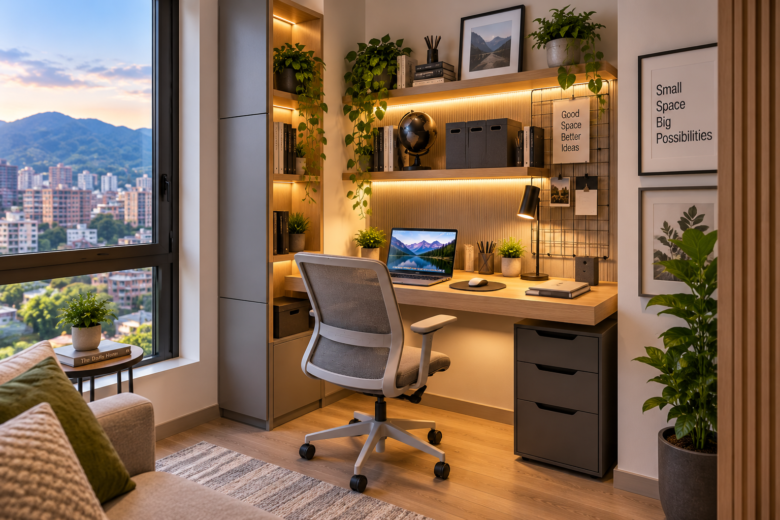
Wall-mounted and floating desks are particularly useful when floor space is limited. They create a lighter visual appearance and leave the area underneath open. Another option is a compact desk with built-in drawers or shelves, which combines a workspace and storage in one piece of furniture.
The way you position the desk also matters. Whenever possible, place it close to natural light. Working near a window can make a small workspace feel more open and comfortable during the day. However, avoid positioning your computer screen directly opposite strong sunlight, since glare can make working uncomfortable.
Once the desk is in place, the next challenge is deciding what actually belongs on it. In a small workspace, every object should have a purpose. Keep the main surface as clear as possible and move storage upward instead of allowing papers, cables, chargers, and office supplies to accumulate across the desk.
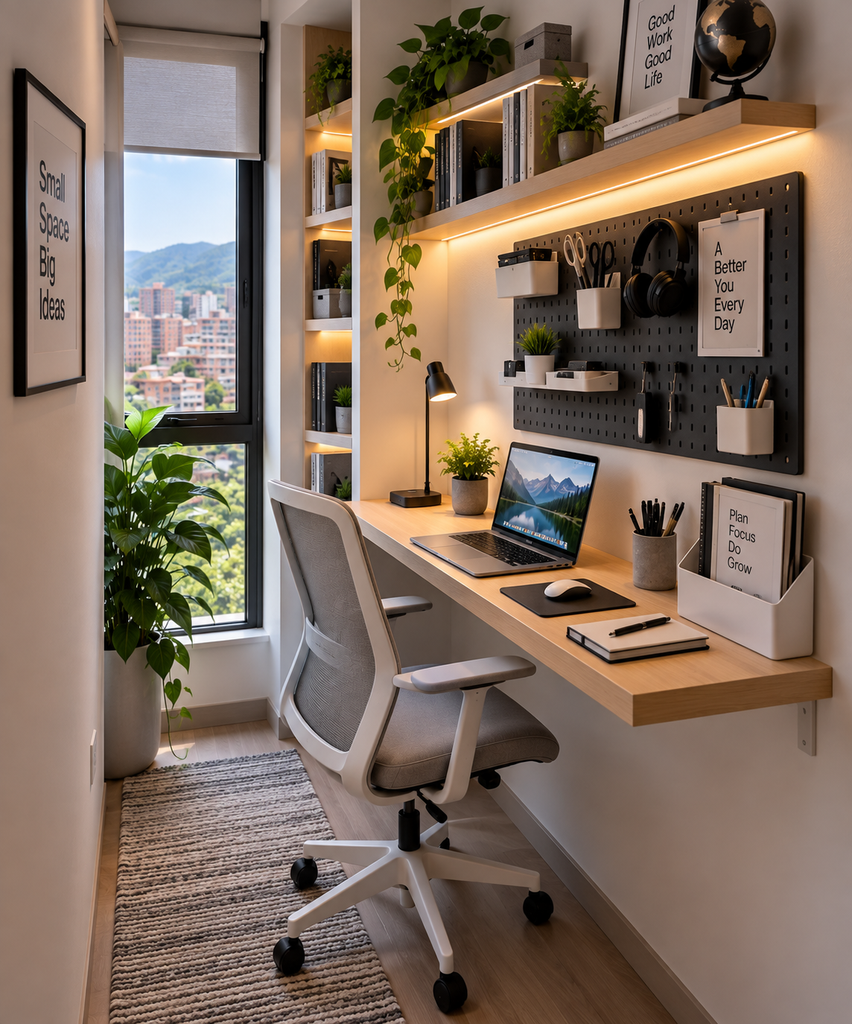
This is where vertical organization becomes especially valuable. Shelves, pegboards, wall organizers, and small cabinets installed above or beside the desk can dramatically increase storage capacity without requiring additional floor space. The result is a workspace that feels larger, cleaner, and easier to use.
A well-designed compact office should feel like a natural part of the apartment rather than a desk that was simply squeezed into an empty corner. Choosing furniture and accessories that complement the colors and materials already used in the room can help the workspace blend into the rest of the home.
Choosing the Right Compact Desk for Your Apartment
The desk is the center of your compact home office, so choosing the right design can make the difference between a workspace that feels comfortable and one that makes the apartment feel even smaller.
Instead of focusing only on appearance, think about how you will actually use the desk every day. If you mainly work with a laptop, you may only need a narrow surface with enough room for the computer, a notebook, and a small lamp. If you use a monitor, keyboard, or other equipment, you will need slightly more depth while still keeping the overall footprint compact.
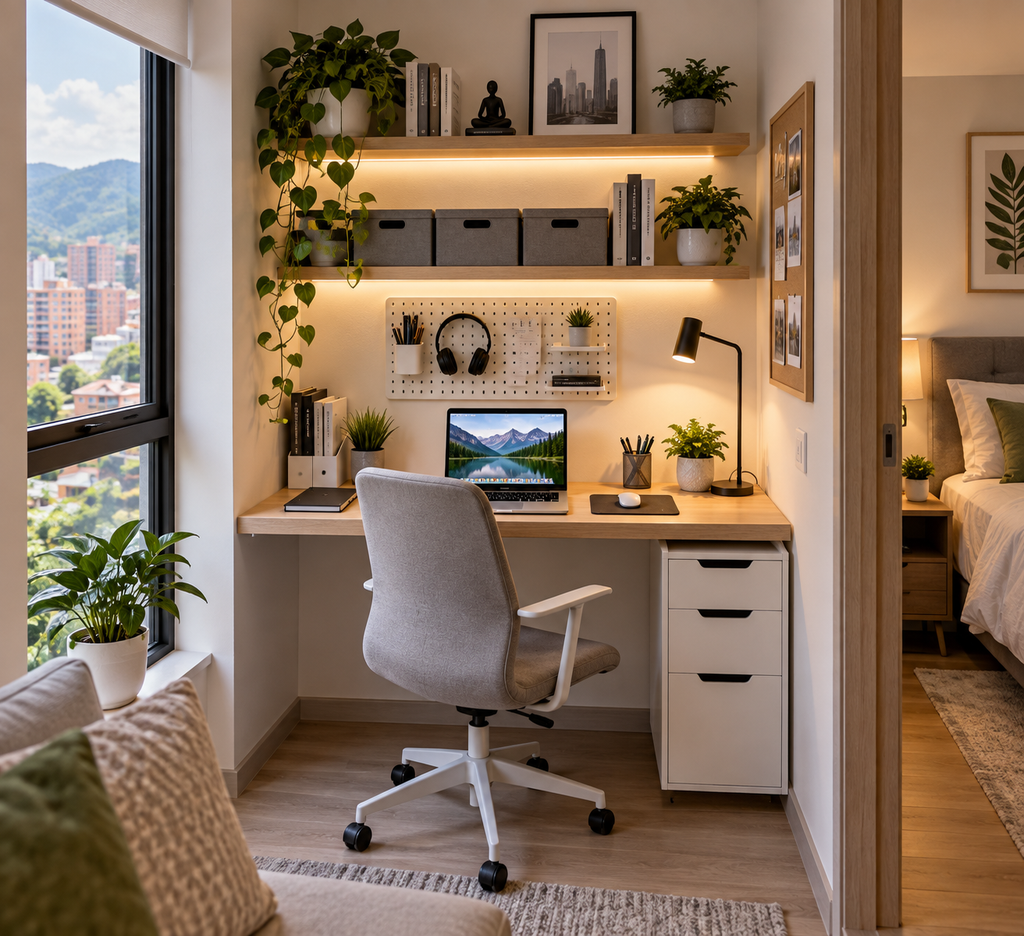
One of the most practical solutions is a desk with integrated storage. Drawers can hold chargers, documents, pens, and other small items that would otherwise remain visible on the desktop. A desk with an upper shelf can also provide space for books or decorative objects without requiring another piece of furniture.
For extremely limited spaces, consider a floating desk attached directly to the wall. This type of setup keeps the floor visible and can make the room appear more spacious. Some wall-mounted desks can even fold away when they are not being used, allowing the same area to serve different purposes throughout the day.
Corners are another opportunity that is often overlooked. A small corner desk can transform an unused section of a bedroom or living room into a dedicated working area. Just make sure the chair can slide underneath the desk when you finish working. This simple detail can save valuable walking space.
Use the Walls Instead of the Floor
When your apartment has limited square footage, vertical space becomes one of your greatest advantages.
Install one or two floating shelves above the desk for items you need regularly but do not need directly in front of you. Small boxes or matching storage containers can keep office supplies organized while maintaining a clean appearance.
A pegboard can be another excellent solution. Instead of filling the desk with headphones, scissors, cables, notebooks, and accessories, these items can be stored vertically where they remain easy to reach.
Avoid filling every inch of the wall, however. Too much storage can make a tiny office feel visually crowded. Leave some empty space between shelves and organizers so the entire setup feels lighter and more intentional.
Keep Cables Under Control
Even a beautiful small office can quickly look disorganized when charging cables and power cords are hanging around the desk.
Start by grouping cables that travel in the same direction. Use cable clips or a simple under-desk cable tray to keep them away from the floor. Chargers that are not used every day can be stored in a drawer or small labeled container.
If possible, position the desk close enough to an electrical outlet that you do not need extension cords running across the room.
The objective is simple: when you look at your workspace, your attention should go to the clean desk and comfortable working area—not to a collection of wires underneath it.
Make the Workspace Comfortable Without Adding Clutter
A small office should not only look organized; it also needs to be comfortable enough to use for several hours. When space is limited, it can be tempting to choose the smallest chair or desk available, but comfort should still be part of the design.
Choose a chair that provides good support but can slide almost completely underneath the desk when it is not being used. This keeps walkways open and prevents the office area from dominating the room.
If a traditional office chair feels too bulky for your apartment, look for a compact ergonomic chair with a simple profile. Avoid oversized armrests and very wide bases when every inch of floor space matters.
Lighting is equally important. Natural light is ideal during the day, but your workspace should also have a dedicated light source for evenings or darker areas of the apartment. A small adjustable desk lamp works well, while a wall-mounted lamp can free up even more desk space.
Create Hidden Storage Around the Desk
Not everything needs to remain visible.
A narrow drawer unit underneath the desk can store documents and supplies without requiring much additional space. Small baskets placed on upper shelves can hide less attractive items such as chargers, adapters, extra cables, and paperwork.
You can also use the space underneath a floating desk for a small rolling cabinet. When you need additional storage, pull it out. When you finish working, slide it back underneath.
The key is to create a specific home for everything. When every item has a designated place, resetting your compact home office at the end of the day can take only a few minutes.
Separate Work From the Rest of Your Apartment
One of the challenges of working in a small apartment is that your office may be located inside your bedroom or living room. Creating a visual boundary can make the workspace feel intentional without building an actual wall.
A small rug, a different wall color, subtle wallpaper, or a narrow decorative panel behind the desk can visually define the office area. Even a single floating shelf positioned directly above the desk can help create the feeling of a separate workspace.
At the same time, keep the colors and materials connected to the rest of the apartment. This balance allows the office to have its own identity without making the room look divided or overcrowded.
A thoughtfully planned workspace can occupy only a small section of your apartment while still providing everything you need to work comfortably and stay organized.
Add Smart Details That Make a Small Office Work Better
Once the main furniture and storage are in place, small details can make your compact home office much easier to use every day.
Start by keeping only the items you use regularly within reach. Your laptop, keyboard, notebook, and perhaps a small lamp may deserve permanent space on the desk. Everything else can be stored in drawers, baskets, shelves, or wall organizers.
A monitor stand can also be useful because it raises the screen while creating additional storage underneath. The space below can hold a keyboard, notebook, or small office accessories when they are not being used.
If you work with several devices, consider creating a dedicated charging area instead of leaving chargers scattered across the desk. A small charging station placed on a shelf or inside an accessible drawer can keep phones, headphones, and other electronics together.
Keep the Desk Easy to Reset Every Day
Organization becomes much easier when your workspace can be cleaned quickly.
At the end of the workday, put papers back into their designated drawer, return office supplies to their containers, connect devices to the charging area, and clear anything that does not need to remain on the desktop.
This simple routine is especially valuable in a small apartment because the office is often visible from other parts of the home.
The goal is not to create a perfectly empty desk. It is to create a workspace where everything you see has a reason to be there.
A Small Space Can Still Become a Complete Home Office
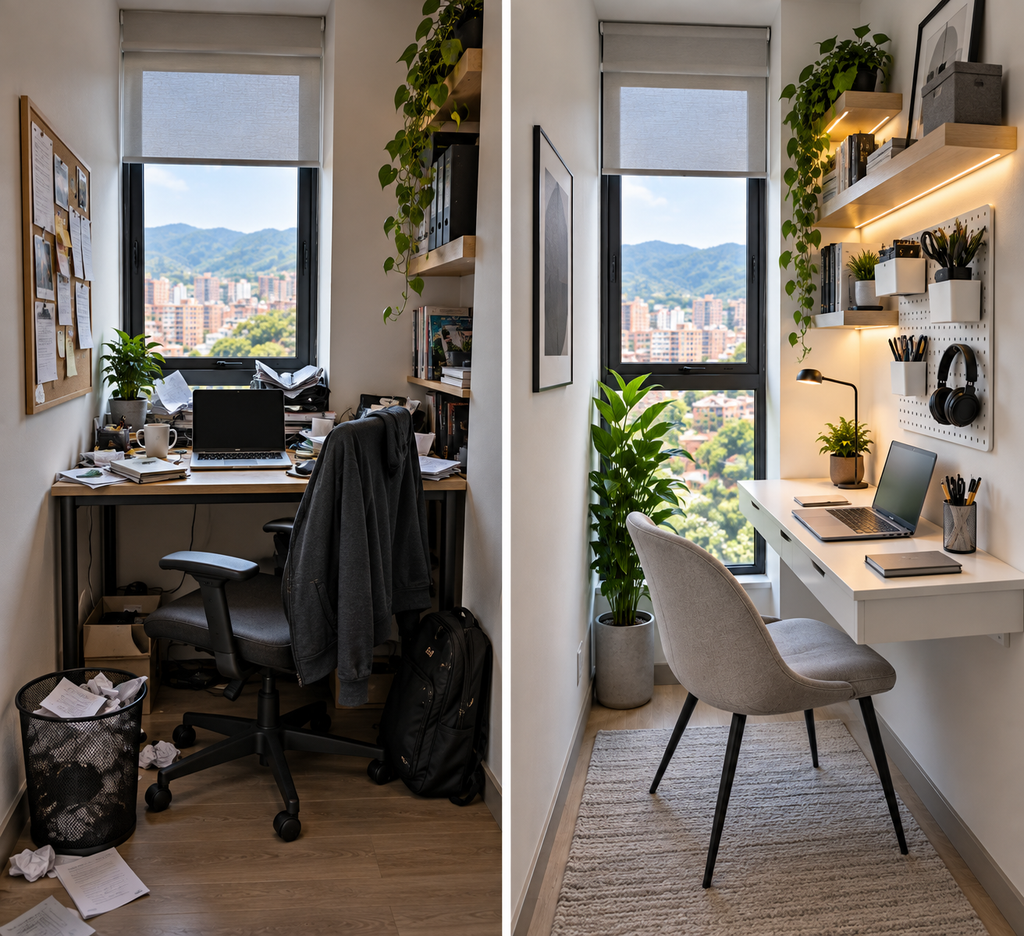
Creating a functional office in a small apartment is less about having more room and more about using the available space intelligently.
A compact desk, vertical storage, controlled cables, comfortable seating, proper lighting, and a few hidden storage solutions can transform an overlooked corner into a practical place to work.
Most importantly, build the workspace around your actual daily needs. You do not need to copy a large traditional office or fill the area with unnecessary furniture.
A carefully planned compact home office can provide the organization and comfort of a dedicated workspace while occupying only a small portion of your apartment.
When every inch has a purpose, even the smallest corner can become a comfortable, organized, and productive place to work.