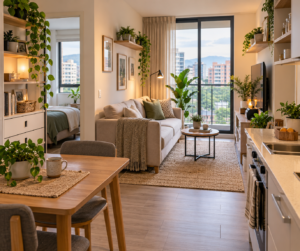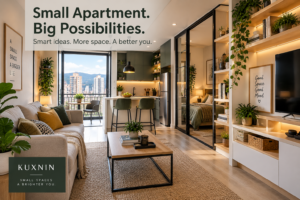
Small home upgrades can completely change the way a compact space looks, feels, and functions without requiring an expensive renovation.
In 2026, home design is increasingly focused on making every corner useful. Multifunctional furniture, better lighting, clever storage solutions, natural materials, and flexible layouts can completely change the way a small home looks and feels. The goal is not simply to fit more things into less space, but to create an environment that feels comfortable, practical, and visually balanced.
The good news is that transforming a small space does not necessarily require an expensive renovation. Many improvements can be introduced gradually and adapted to different budgets. A forgotten wall can become valuable storage, an awkward corner can turn into a functional workspace, and the right combination of colors and lighting can make an entire room appear larger.
Below are 7 small home upgrades that can completely transform your space in 2026, with practical ideas you can adapt to apartments, studios, small houses, and compact rooms.
1. Small Home Upgrades: Turn Empty Walls Into Smart Storage
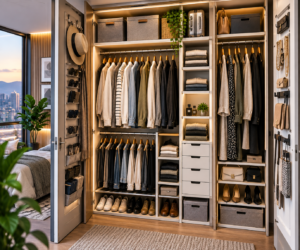
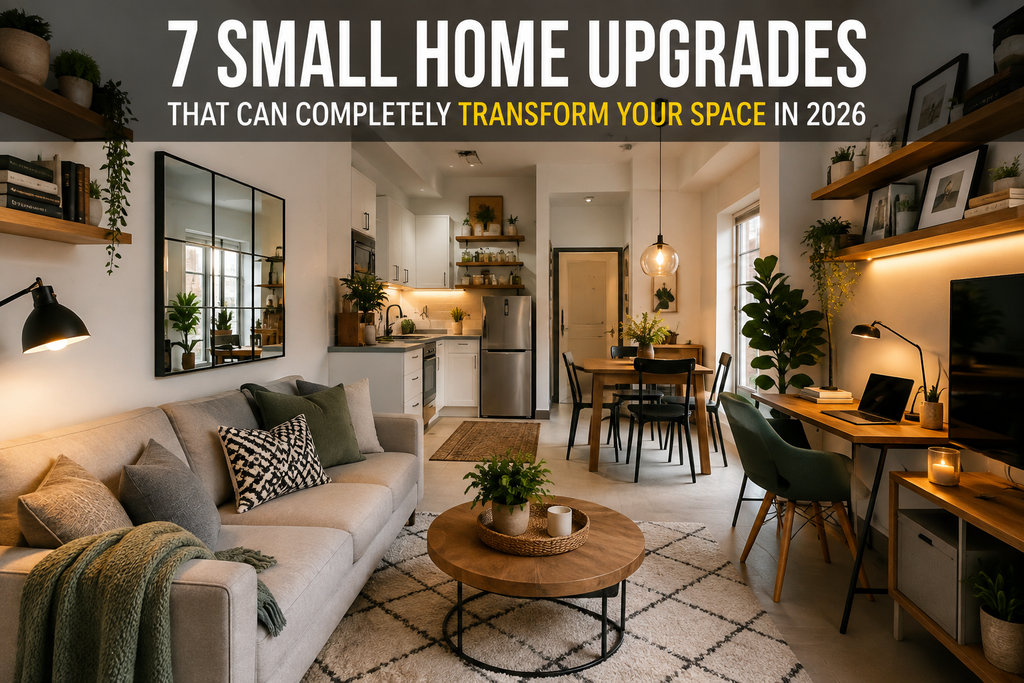
In a small home, empty walls are valuable space that often goes unused. Instead of filling the floor with additional cabinets, shelves, or storage boxes, consider moving storage upward. Floating shelves, tall bookcases, wall-mounted cabinets, and vertical organizers can provide useful storage without making the room feel crowded.
The key is to avoid covering every wall. Choose one or two strategic areas and keep the arrangement visually clean. For example, floating shelves above a desk can hold books and decorative objects, while a narrow wall-mounted cabinet near the entrance can store everyday essentials.
You can also combine practical storage with decoration. Baskets, plants, framed photographs, and attractive storage boxes can make a functional wall feel intentional rather than cluttered. Using similar materials or neutral tones helps create a more cohesive appearance.
- Choose Furniture That Can Do More Than One Job
Multifunctional furniture is one of the most effective upgrades for compact homes. When a single piece of furniture performs two or three different functions, you can reduce clutter while keeping everything you actually need.
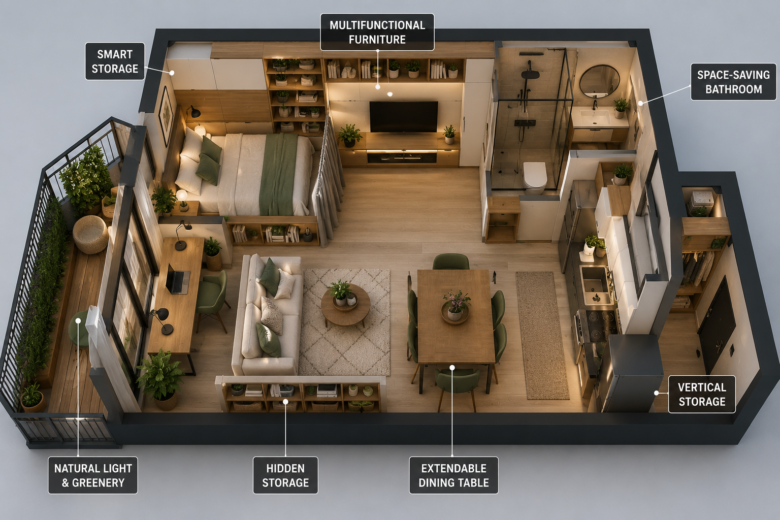
A storage ottoman, for example, can provide seating, hidden storage, and even serve as a small coffee table. A sofa bed can transform a living room into a guest room, while an extendable dining table can remain compact during everyday use and provide additional seating when visitors arrive.
Another practical option is furniture that can be folded or moved easily. Wall-mounted desks, nesting tables, lightweight chairs, and rolling storage units allow a room to change according to your needs.
Before buying new furniture, ask yourself one simple question: Can this piece solve more than one problem? In a small home, furniture that only serves one limited purpose may occupy valuable space unnecessarily.
- Use Lighting to Make Small Rooms Feel Larger
Lighting can dramatically change the perception of space. A poorly illuminated room often feels smaller and heavier, while a bright room can appear more open and inviting.
Start by taking advantage of natural light. Avoid placing large furniture directly in front of windows, and consider using lightweight curtains that allow daylight to enter the room. Mirrors positioned near a window can also reflect natural light deeper into the space.
At night, relying on a single ceiling light may create dark corners. Instead, combine different light sources. A floor lamp beside the sofa, a small table lamp, under-cabinet lighting, or wall-mounted fixtures can create layers of light throughout the room.
Warm lighting can make relaxation areas feel comfortable, while brighter task lighting works well for kitchens, desks, and reading areas. The objective is to illuminate the room evenly without filling it with unnecessary lamps.
- Create the Illusion of More Space With Mirrors
Mirrors are one of the simplest ways to make a small room feel larger without changing its actual dimensions. When positioned correctly, they reflect both natural and artificial light and create a stronger sense of depth.
A large mirror placed across from or near a window can help distribute daylight throughout the room. In narrow spaces, such as hallways or compact dining areas, a vertical mirror can also make the walls feel less confined.
You do not necessarily need several mirrors. One well-positioned statement mirror can have more visual impact than many smaller pieces. Designs with thin frames or simple shapes are particularly useful when you want the room to maintain a clean and modern appearance.
- Replace Clutter With Hidden Storage
Even a beautifully decorated small home can quickly feel crowded when everyday objects remain visible everywhere. Hidden storage helps maintain a cleaner environment while keeping important items within easy reach.
Look for unused spaces under beds, sofas, benches, stairs, and other furniture. Storage containers designed specifically for these areas can hold seasonal clothing, bedding, documents, toys, or items that are not needed every day.
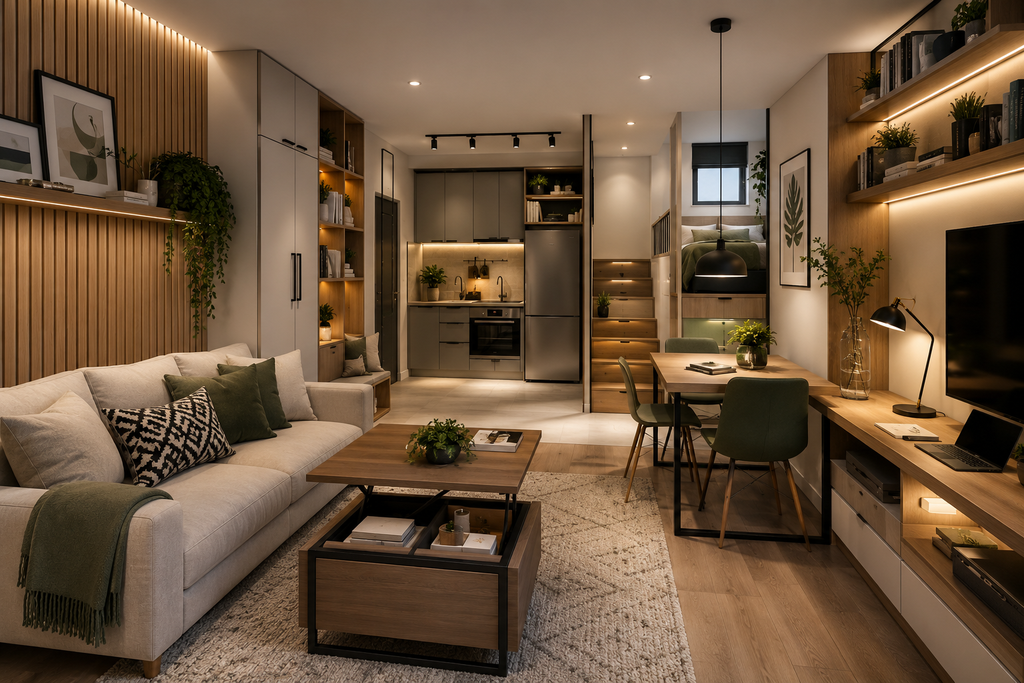
Built-in storage can be especially effective. A window bench with compartments underneath, for example, provides seating and storage without requiring additional floor space. Beds with drawers and coffee tables with hidden compartments offer similar advantages.
The objective is not to hide everything you own. Instead, keep frequently used or attractive objects visible and give less visually appealing items a dedicated storage location.
- Use a Simple Color Palette to Connect the Rooms
Color has a major influence on how spacious a home feels. Too many competing colors can visually divide a compact interior, while a coordinated palette creates continuity between different areas.
Light neutrals such as warm white, beige, soft gray, and natural wood tones can provide a calm foundation. However, a small home does not need to be completely white. Deeper colors can be introduced through cushions, artwork, plants, rugs, or a carefully selected accent wall.
Repeating two or three colors throughout the home can also make separate rooms feel connected. For example, the same wood finish used in the living room can appear again on kitchen shelves or bedroom furniture.
This creates visual consistency without making every room look identical. The result can feel more organized, intentional, and spacious.
Flexible spaces become even more useful when furniture can be moved or adjusted without much effort. Lightweight chairs, nesting tables, folding desks, and furniture with wheels can allow you to reorganize a room in minutes. This flexibility is particularly valuable for people who work from home or frequently receive visitors.
Another useful strategy is to think about activities rather than traditional room names. Instead of asking whether you need a separate office, dining room, or guest room, consider what activities actually take place in your home. You may discover that one carefully designed area can accommodate several of them at different times of the day.
For example, a dining table positioned near good natural light can become a comfortable workspace in the morning and return to its original purpose at dinner. A living-room bench can provide everyday seating while offering hidden storage underneath. Even a quiet bedroom corner can become a reading area with nothing more than a comfortable chair and a small wall-mounted light.
The most successful flexible layouts also leave enough open space to move comfortably. Trying to use every available inch can have the opposite effect and make a small home feel overcrowded. Leaving certain areas intentionally empty gives the eye a place to rest and makes circulation throughout the home easier.
As your lifestyle changes, these flexible zones can change with you. That adaptability can make a small home remain practical for much longer without requiring major renovations or additional square footage.
- Small Home Upgrades for Flexible and Multifunctional Spaces
One of the biggest changes in small-home design is the idea that a room does not need to serve only one purpose. A living room can become a workspace during the day, a dining area in the evening, and a comfortable relaxation zone at night.
The easiest way to achieve this is by creating flexible zones. A compact desk placed beside a window can establish a work area without requiring a separate home office. A small rug can visually define the living area, while an extendable table can create a dining space only when it is needed.
Room dividers can also help, but they do not always need to be solid walls. Open shelving, curtains, plants, lightweight screens, or changes in lighting can separate different areas while preserving an open feeling.
Furniture placement is equally important. Instead of automatically pushing every piece against a wall, experiment with layouts that create clear pathways and functional zones. Sometimes moving a sofa or rotating a table can make a surprisingly large difference.
The best small spaces are designed around everyday life. Think about how you actually use your home throughout the day and allow each area to adapt to those activities.
Small Changes Can Make a Remarkable Difference
Transforming a small home is not about filling every available corner or following every new design trend. It is about making thoughtful decisions that improve comfort, organization, and functionality.
Start with the areas that cause the most frustration. If clutter is the problem, focus on hidden and vertical storage. If the home feels dark, improve the lighting and make better use of natural light. If rooms feel crowded, reconsider furniture size, placement, and purpose.
You also do not have to complete every upgrade at once. Making one meaningful improvement at a time allows you to understand what works best for your particular space before investing in additional changes.
Ultimately, a well-designed small home can offer something that larger spaces sometimes lack: every element has a purpose. With smart storage, multifunctional furniture, effective lighting, a coordinated color palette, and flexible living zones, even a compact home can feel comfortable, modern, and surprisingly spacious.
Final Thoughts
A small home should never limit the way you live. With thoughtful planning, even a compact space can become comfortable, attractive, organized, and adaptable to everyday life.
The best transformation often comes from combining several simple improvements rather than making one expensive renovation. Better lighting, smarter storage, flexible furniture, carefully selected colors, and purposeful layouts can work together to completely change how a home feels.
Start with one area, observe how the change improves your daily routine, and continue from there. A few smart decisions can turn limited square footage into a home that feels surprisingly spacious.